
Borra Caves: Inside Andhra Pradesh’s Ancient Limestone Caves
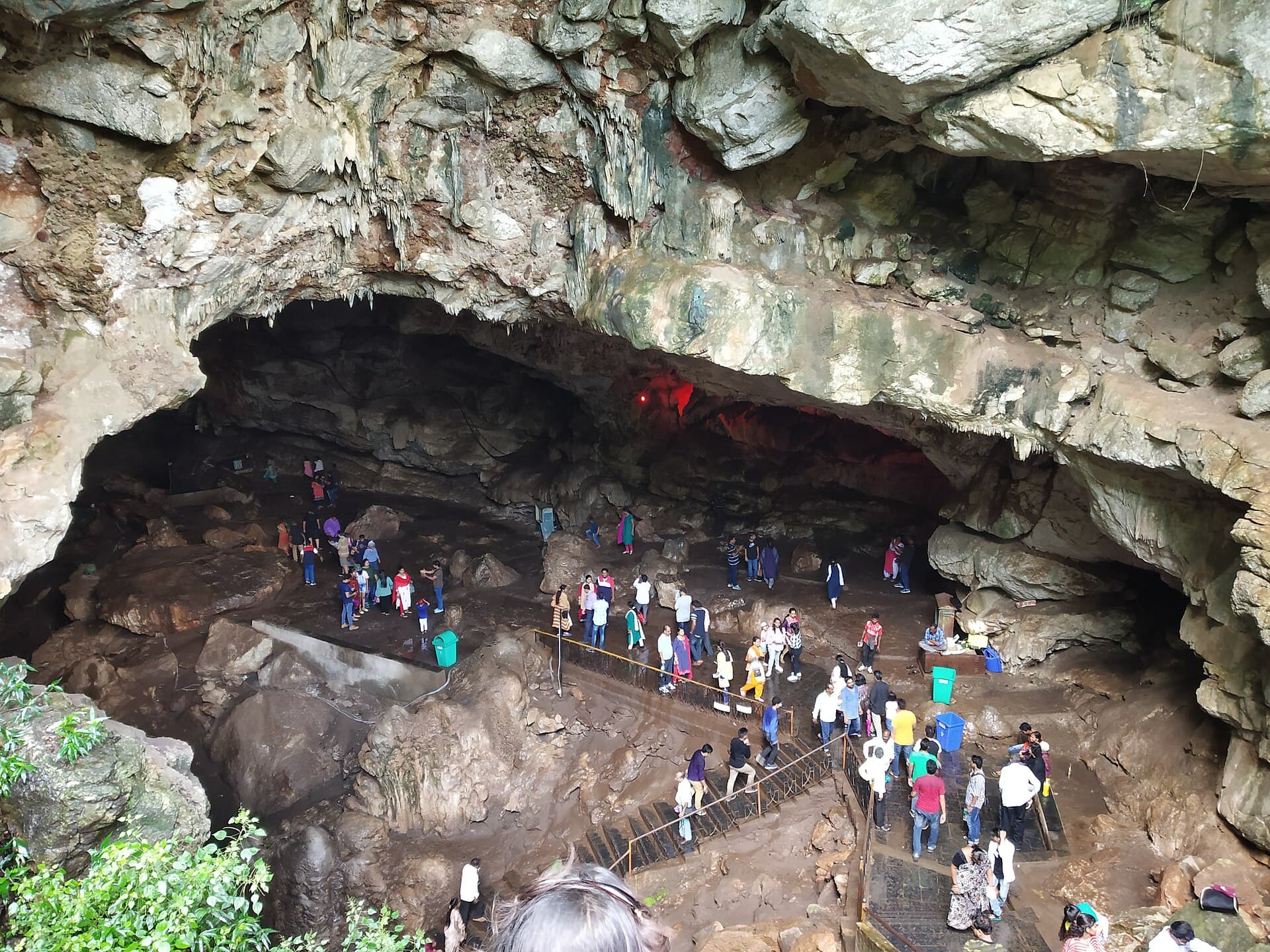
Deep in the Ananthagiri hills, on the way from Visakhapatnam to Araku Valley, lies one of the most spectacular natural wonders of South India. The Borra Caves are among the largest and deepest caves in the country, formed over millions of years.
Walking into their huge chambers, with strange rock formations rising from the floor and hanging from the ceiling, is an unforgettable experience.
How the caves were formed
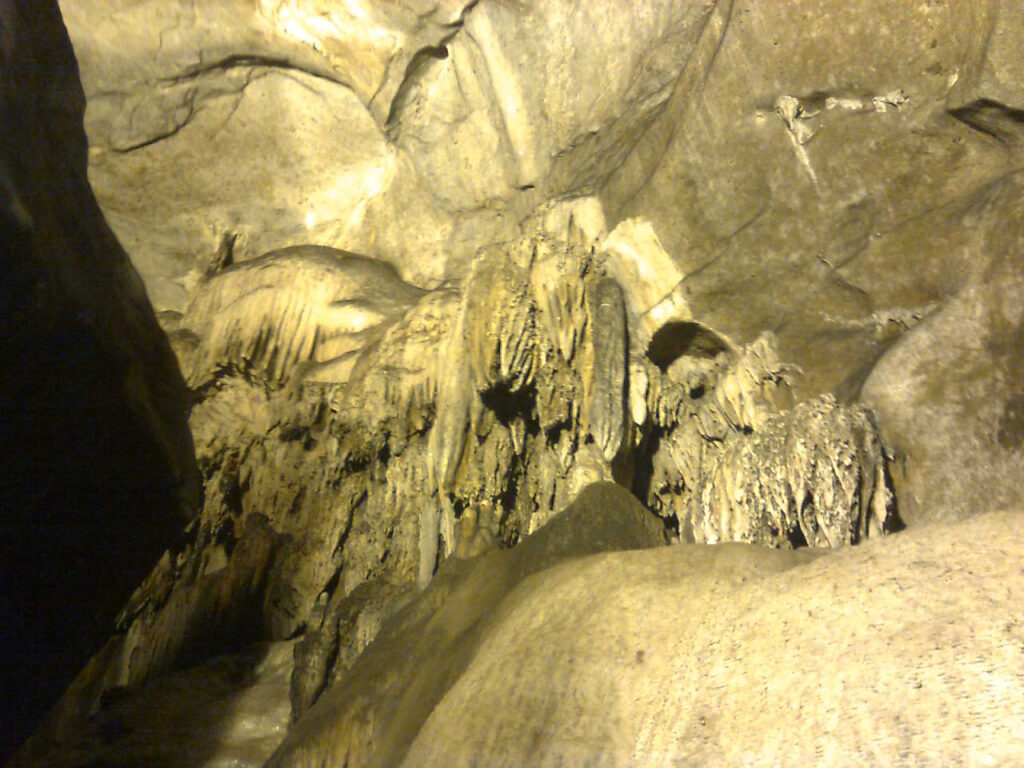
The caves were created by water slowly dissolving limestone over millions of years. Mineral-rich water dripping through the rock formed stalactites hanging from the roof and stalagmites rising from the floor, in shapes that visitors compare to animals, gods and everyday objects.
The Gosthani river, which flows through the region, has played an important role in shaping the caves.
History and beliefs
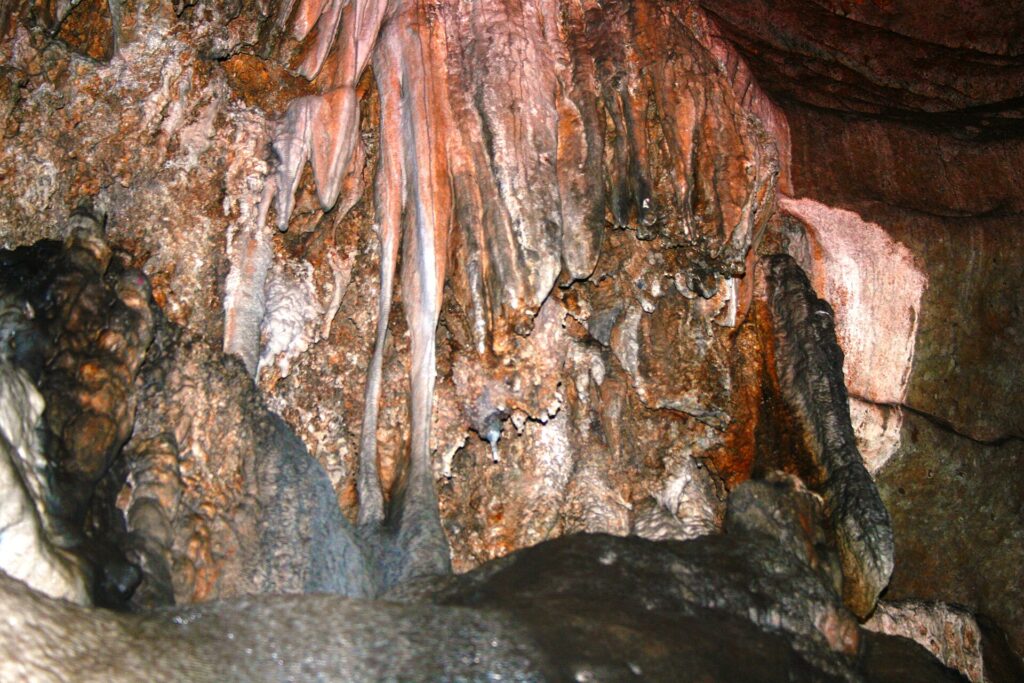
The caves are said to have been discovered by a British geologist in the early 19th century, but local tribal communities knew of them long before. A stalagmite resembling a Shiva lingam is worshipped by local people, and there is a small shrine inside the caves.
Today, the caves are managed for tourism, with lighting that highlights the formations, steps and pathways leading through the chambers.
Visiting the caves
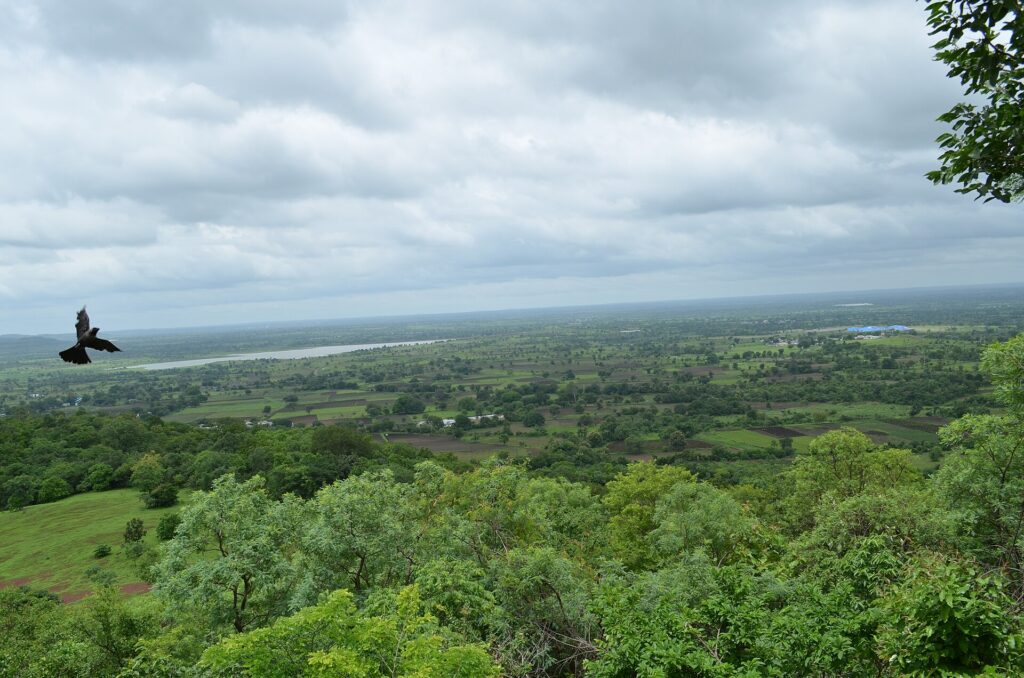
Borra Caves can be reached by road from Visakhapatnam or Araku, or by train to Borra Guhalu station. Allow at least an hour to explore the caves, and wear comfortable shoes with good grip, as the paths can be wet and slippery.
Weekends and holidays can be busy, so visit on a weekday if possible. Combine the caves with a trip to Araku Valley for a perfect day in the Eastern Ghats.
Ready to explore Araku Valley?
Book tours, treks and stays with verified local providers, with free cancellation on most experiences.
See things to do in Araku Valley