Coimbatore’s Textile Story: From Cotton Mills to Kovai Cotton
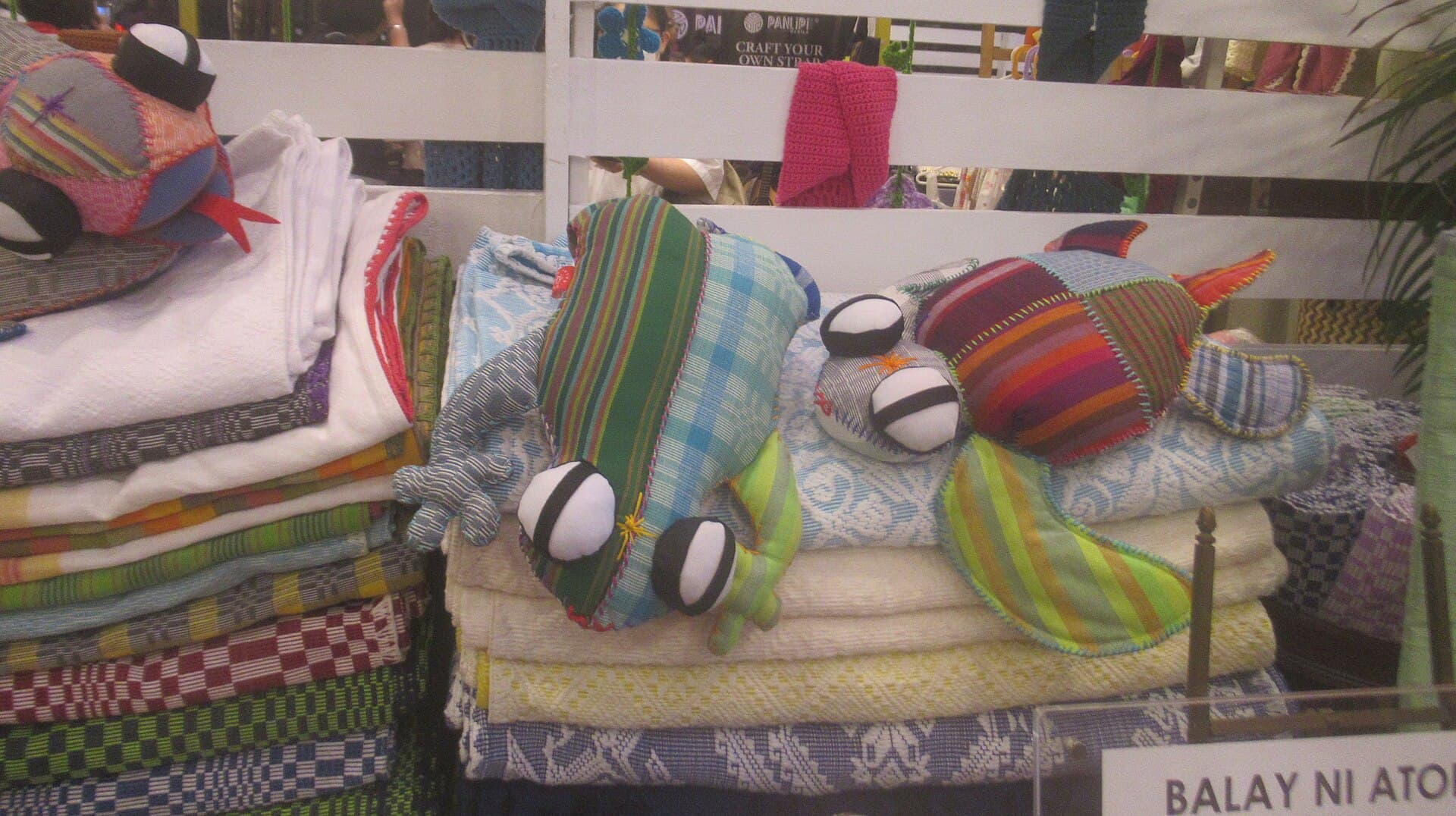
Coimbatore is often called the Manchester of South India. For more than a century, its textile mills, spinning units and weavers have made it one of India's most important centres for cotton.
Understanding this history helps explain the city's character, its industries and its markets.
How the mills began
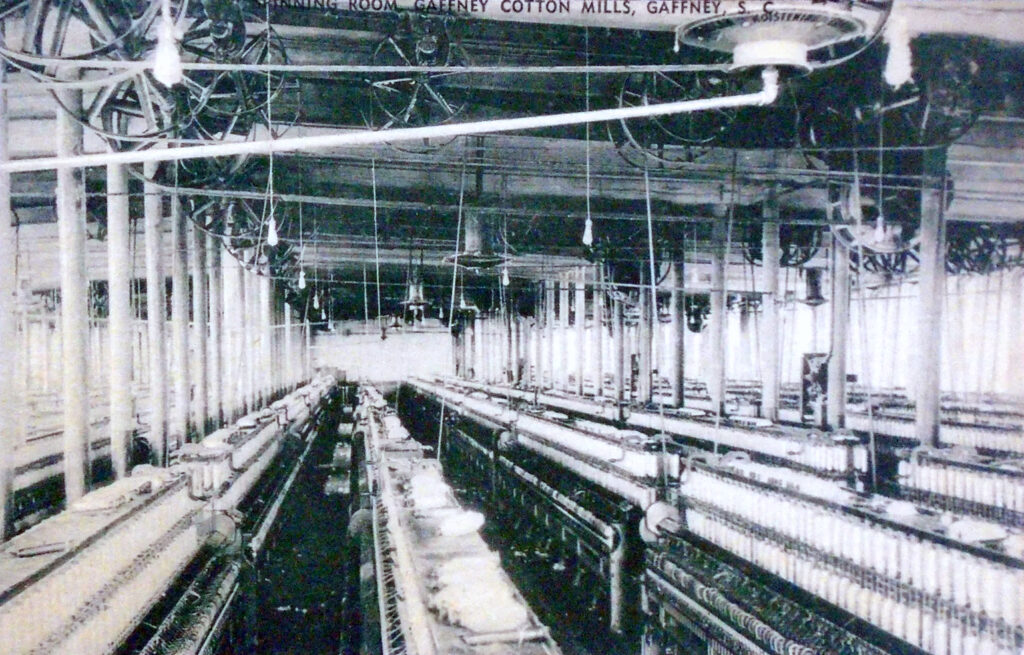
The region's black cotton soil and good climate made it ideal for growing cotton. In the early 20th century, entrepreneurs began setting up spinning and weaving mills, and the availability of hydroelectric power from the nearby hills helped the industry grow rapidly.
Over the decades, Coimbatore became a major centre for textiles, textile machinery and engineering, creating jobs for people from across the region.
Weavers and handlooms
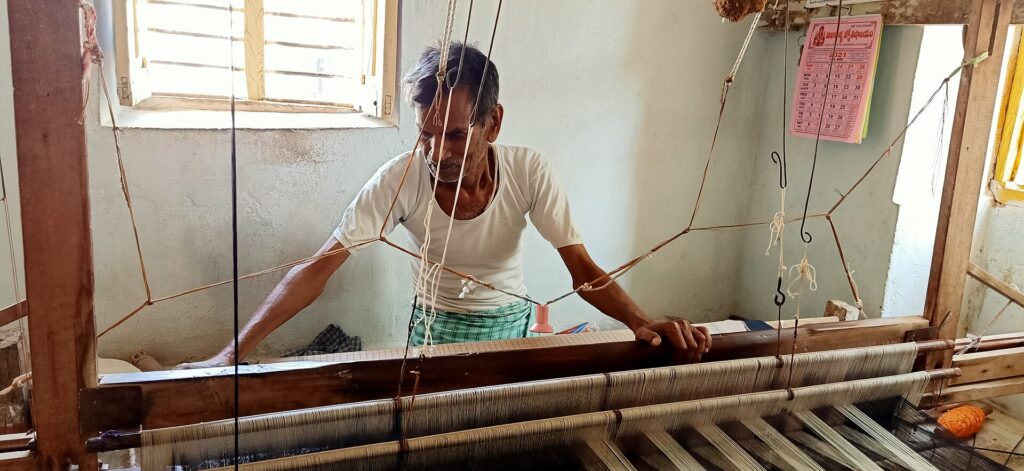
Alongside the big mills, handloom weavers in and around Coimbatore produce cotton and silk sarees. Kovai cotton sarees are known for their light weight and comfort, perfect for the South Indian climate.
The Kasthuri Srinivasan Art Gallery and Textile Museum is the best place in the city to learn about the history of textiles, with old looms, machinery and fabrics on display.
Shopping for textiles
Coimbatore's markets and showrooms are great places to buy cotton fabrics, sarees and garments at good prices. Look for handloom labels to support traditional weavers.
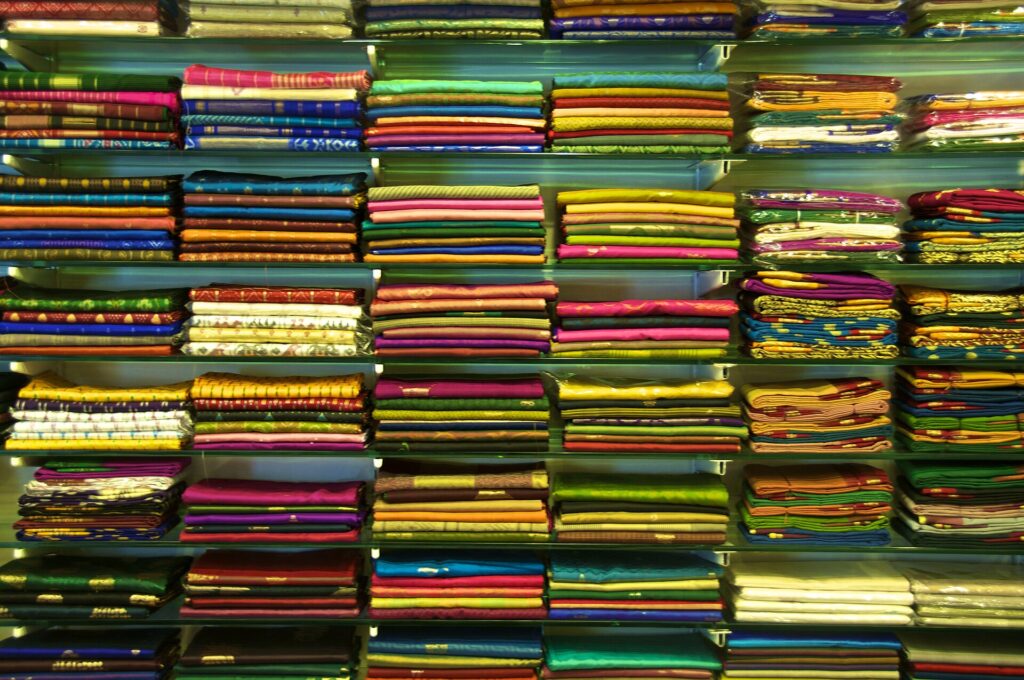
Take time to explore the city's shopping streets, and you will see how textiles remain woven into Coimbatore's daily life.
Ready to explore Coimbatore?
Book tours, treks and stays with verified local providers, with free cancellation on most experiences.
See things to do in Coimbatore