
Visiting the Taj Mahal: Timings, Tickets and Tips for a Perfect Day

Few buildings in the world live up to their reputation like the Taj Mahal. Built in white marble by the Mughal emperor Shah Jahan in memory of his wife Mumtaz Mahal, it took around two decades to complete and has drawn admirers for nearly four centuries. Seeing it in person, as the light shifts across the dome, is a moment most travellers never forget.
A little planning makes the visit far more enjoyable. The Taj is one of India's busiest monuments, and the time you go, the gate you use and what you carry all make a difference.
When to go
The Taj Mahal opens from sunrise to sunset every day except Friday, when it is closed for prayers at the mosque. The best time to visit is at sunrise. The marble takes on soft pink and gold tones, the temperature is pleasant and the crowds are at their thinnest. Late afternoon is the next best option, when the light turns warm again.
October to March is the most comfortable season, with cool mornings and clear skies, though winter mornings can be foggy. April to June is very hot, so plan to be inside the complex as early as possible. Weekends and public holidays are much busier than weekdays.
On a few nights each month, around the full moon, a limited number of visitors can see the Taj by moonlight. Tickets for night viewing are booked separately, in advance, and the number of slots is small.

Tickets and entry
Buy your ticket online in advance through the official Archaeological Survey of India booking site to avoid queues at the counter. A separate add-on is needed to enter the main mausoleum, so choose it when you book if you want to see the cenotaphs inside.
There are entrances on the east and west sides of the complex. Security checks are thorough, so arrive a little before the gates open. Only small bags are allowed. Food, tobacco, tripods and drones are not permitted, and there are cloakrooms near the gates for anything you cannot take in.
Making the most of your visit
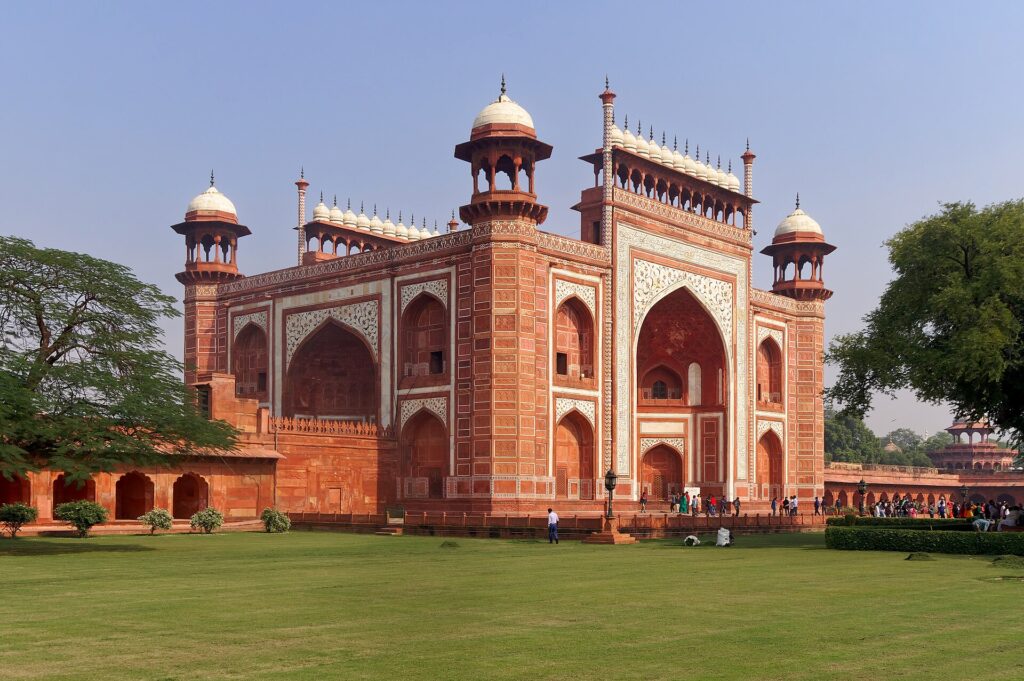
Don't rush straight to the mausoleum. Pause at the Great Gate for the classic framed view, then walk slowly through the gardens. The mosque on the west side and the matching guest house on the east are beautiful in their own right, and the platform behind the mausoleum looks out over the Yamuna.
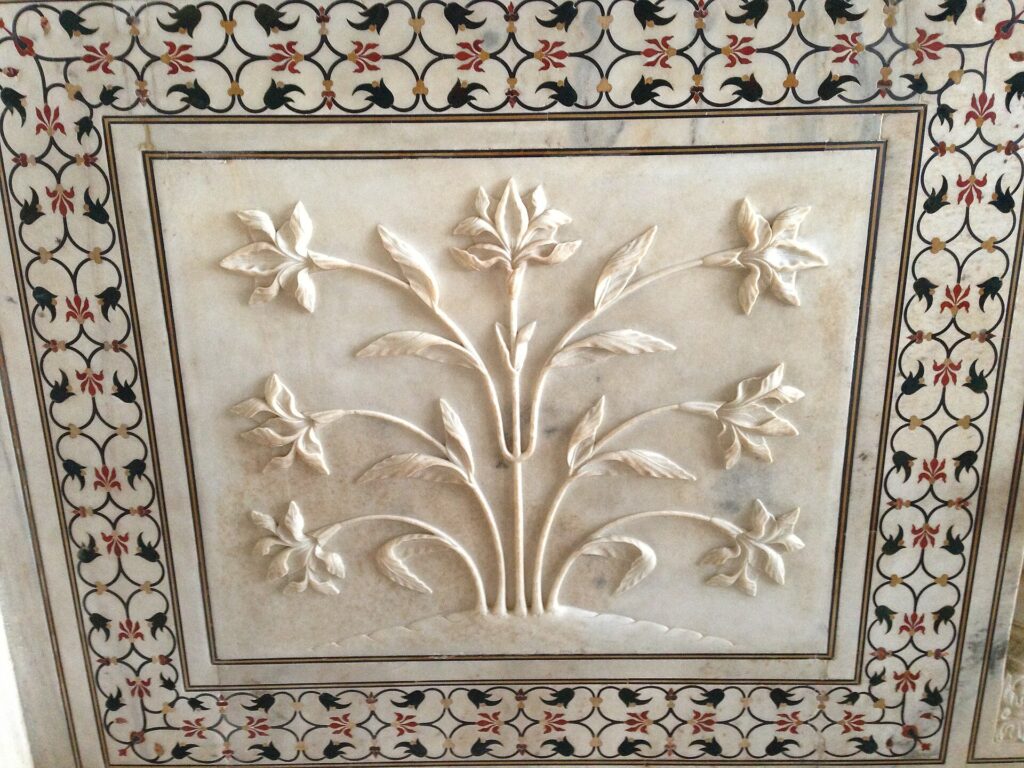
Up close, notice the calligraphy around the arches, which appears the same size from top to bottom, and the flowers inlaid in the marble with semi-precious stones. Inside the mausoleum, photography is not allowed, and visitors wear shoe covers to protect the marble floor.
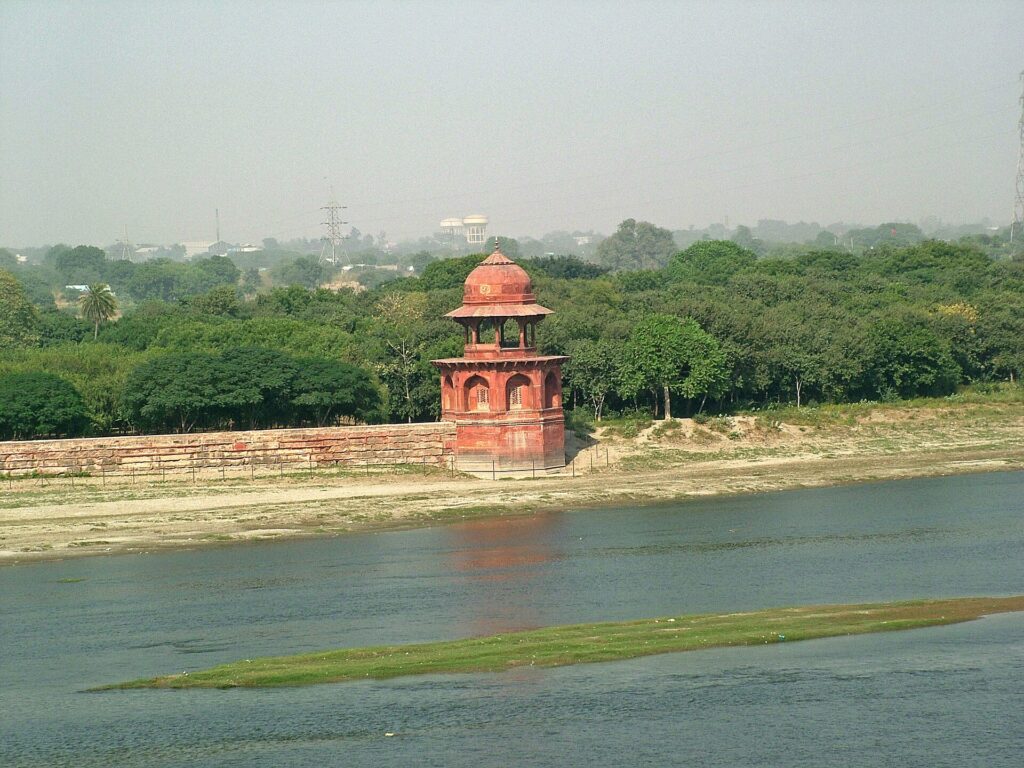
An approved guide can explain the history and the symbolism of the design, and many visitors find it adds a great deal to the experience. Plan on two to three hours inside, and keep a bottle of water with you. Afterwards, Agra Fort and Mehtab Bagh, across the river, make perfect next stops for the rest of your day.
Ready to explore Agra?
Book tours, treks and stays with verified local providers, with free cancellation on most experiences.
See things to do in Agra